Cebu Sweet Delicacies
There are so many of us who have the so-called ‘sweet tooth’. Yes, we seem to crave for sweets, delights and desserts wherever we go. Well then, if you are that type, then Cebu is a must for you to visit. With the island’s culture, food and cuisine, you will surely enjoy what Cebu can offer you and your taste buds. There is a wide selection of distinct, sweet and delicious delicacies and products for a sweet tooth like you. You can surely enjoy the sweets and delights that can leave you asking for more.
Aside from the other foods that Cebu has been known for, the sweets and delicacies it offers is sure to make every woman swoon and every guy kneeling only to make sure they get to taste these products.
So allow me to list down a number of the most popular, most mouth-watering sweets and delicacies the province of Cebu has been popular for. Nevertheless, there is still so much you can be excited about, and the list does not end just there yet.
a. Otap
The otap is undoubtedly one of the most famous of the Cebu islands, for it is known to have originated from Cebu. The otap is an oval-shaped biscuit and has a length of four to six inches long, width of two inches, and thickness of 1/8 inch. Additionally, its ingredients include the sugar, flour, shortening and most especially, the coconut. All of these are being combined in order to come up with a sweet and yummy delight – that is, the otap.
 the best otap from Shamrock
The process entailed in creating otap involves two tedious baking stages. These stages are responsible for the unique texture of this pastry. The very sweet taste it contains is due to the sugar sprinkled all over its surface, which seems to appear like crumpled before being baked. Upon eating one piece of an otap, it tends to be a bit messy as some parts of the biscuit fly to the floor since it is very lightweight. It is recommended that upon biting a piece of it, you put your hand below your chin so you can catch the falling parts of the biscuit and it won’t be too messy. But its being messy and scattering is all part of the entire otap experience and thus makes the experience more enjoyable.
b. Dried Mango
Coming from the name itself, dried mango is a piece of ripe mango that has been sun dried. However, Cebu’s dried mango is known to be far distinct and very special. Its taste is said to be very distinctive and will make you crave for more. The dried mangoes of the Cebu islands are unique for their sweet and sour taste. These dried mangoes are coming from the best picked, fresh mangoes of Cebu, which has a reputation of having the best tasting mangoes in the country.
Dried mangoes are perfect for snacks and desserts. Pieces of them are chewy, moist and tasty and are in bite sizes. These delights are also recommended as they are healthy food choices. They are also packed in a way that is perfect for you to bring wherever you are – in the office, at home, to the beach, anywhere. They can be perfect for trips, hikes, outings, vacations, gatherings, and in any event you want.
All in all, dried mangoes top many people’s favourites when it comes to snacks, desserts and dried fruits. And definitely, Philippine mangoes, especially Cebu mangoes, are the ultimate most delicious ones. They are even for export quality and favourites, too, of those in abroad.
c. Masareal
The masareal is a very popular delicacy of Cebu which has originated in the city of Mandaue. Its pieces are in a form of rectangular bars and are grouped and packed in paper. The packing in paper, then is being secured by using a piece of plastic twine or string.
The ingredients of a masareal include the peanuts, which are finely ground, and sugar syrup. Together, they are mixed to create a sweet and delicious mouth-watering delight. A bar of masareal is a favourite of kids who often like sweets. Nevertheless, even adults keep on wanting for more especially with balikbayans. The masareal is most famous to come from a family living created in Doña Rosario Village in Mandaue City. It is a good variety or product that is made of peanuts, and no doubt, peanut-lovers list masareal as one of their all-time favourites.
Interestingly, the masareal today has adapted new changes and innovations, including its new shapes and sizes. Now, masareal is available in heart shapes and other fancy shapes you can think of.
d. Rosquillos
Rosquillos, simply said, are cookies or biscuits that are ring in shape. The cookies are famous because of their being crispy, light and delicious. Moreover, the rosquillos is popular because they can be made or baked even when you are at your own home. It is important to differentiate the rosquillos of Cebu from the rosquillos of Spain, which are more of olive oil doughnuts.
The rosquillos of Cebu is made of a mix consisting of the best ingredients such as flour, baking powder, sugar and egg. The baking process results to a natural crunch and thus provides the very delicious and sweet taste you love. The ring shape and characteristic of rosquillos also makes it even more attractive, delightful and enjoyable for kids to eat.
e. Bibingka
Time and again, there have been several versions of bibingka but the one of Cebu really stands out from the rest. The bibingka of Cebu, or more popularly known as bibingka Mandaue (since you can buy from there), is unique because instead of the baking powder, which is what’s most usually used, rice powder is the primary ingredient.
 the best bibingka from Cebu
Of course, this is mixed together with tuba and coconut milk to come up with the bibingka mix. Eventually, the bibingka is being covered with the famous banana leaf and then placed in a clay oven under the flaming coconut husks for fuel.
f. Salvaro
The salvaro of Cebu are basically coconut crackers that are characterized by being flat and oval in shape. Additionally, these biscuits are indeed very thin (wafer-thin!) and also very crispy. Because of their coconut flavour, they are made to be more unique and distinct from other delicacies and products of Cebu.
The main ingredients of salvaro are the enriched wheat flour, sugar, sodium bicarbonate, sitious delight for all. There are several famous brands and manufacturers of salvaro you can find here in Cebu, including Gene’s Salvaro de Cebu and Pinky’s Salvaro. You might want to check these out.
g. Ampao
No doubt one of the famous here in Cebu and in the country, the ampao is proud to be from the now-city Carcar. The ampao is the Cebuanos’ own distinct version of rice crispies. The ampao is popular for its characteristics of being crunchy, white and sweet. The ampao is also scattered with peanuts on the top, making it more favourable especially for peanut lovers. It is literally cooked rice that is laid out in the sun and being dried up. This process is responsible for the crunchiness of the food.
Rectangular in shape, the ampao is also thick and wide. The taste of the peanut on top complements perfectly the deliciousness of the rice crispies. The ampao is definitely a perfect food for everyone – regardless of age, gender, or taste buds. It is also noteworthy to mention that ampao today already comes in different colours, from yellow to green to pink, perhaps for added attractions.
h. Torta
Like the bibingka, the torta has already been made available in different variations and in different tastes in various places across the entire country. Nevertheless, the torta that comes from Cebu still remains to be well loved and well patronized by many, even those local and international tourists.
The torta is another local pride of the Municipality of Argao in Cebu. In this Cebuano version, tuba (fermented coconut wine) is being used instead of the usual yeast. The torta is large and sweet, and is often described as a ‘cupcake-like pastry’.
Making the torta involves pouring the flour in the tuba and mixing this with salt. The torta of Cebu uses a clay furnace in making it rather than those modern types of ovens widely available in the market. This feature or characteristic makes the torta more appealing and special. The torta is usually patronized as a snack or even possibly as an addition to rice.
http://www.cebu-food.com/cebu-sweet-delicacies/


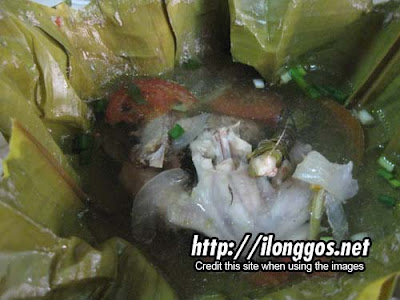
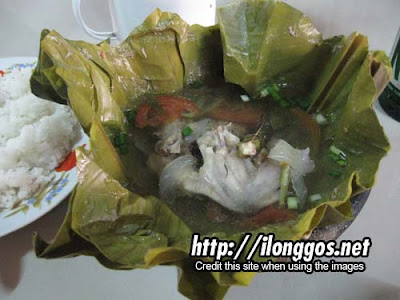


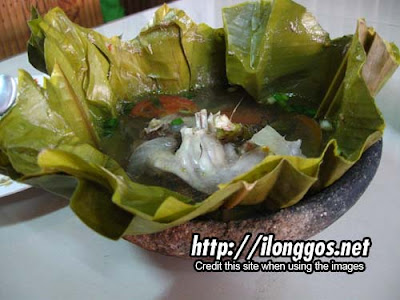

 Let the nest softened by soaking it in cold water overnight. The next day, take off the twigs and other unnecessary particles from the softened nest. Boil it in chicken stock with cornstarch then add some ingredients like ham and egg and a dash of salt to taste.